
January 13, 2026

Pain is rarely “just pain.”
When pain lingers, people naturally start to move less. Strength declines. Joints stiffen. Balance and confidence drop. Everyday activities—stairs, getting on the floor, lifting, sleeping well—quietly become harder. Over time, this reduced movement feeds the pain, and what began as a manageable issue can turn into a long-term functional problem.
Pain is not only about muscles, joints, or tendons. It’s also a nervous system experience.
When pain goes untreated for long periods, the nervous system can become more protective and sensitive. This means pain may feel stronger, last longer, or show up with less provocation. Once this happens, recovery often takes more time and more resources than it would have earlier on.
In other words, waiting doesn’t just prolong symptoms—it can make them more complicated to resolve. And the real cost isn’t just physical—it’s financial as well.
When pain limits function, care often escalates to imaging, injections, or surgery. Locally, average hospital or health system charges include:
These numbers reflect what many people face once conservative care is delayed.
For many common orthopedic issues—such as degenerative knee meniscus tears or degenerative rotator cuff tears—research consistently shows that conservative care can be just as effective as surgery for many people, particularly early on.
That doesn’t mean surgery is never appropriate. It does mean that skipping high-quality conservative care can push people toward higher-cost interventions that may not have been necessary.
One common misconception is that physical therapy always means “1–2 visits per week for 6 weeks.”
At New Life Physical Therapy, care is individualized. We look at:
From there, we create a plan that fits both your physical needs and your budget. For some, that means more frequent care early on. For others, it means fewer visits with focused education, home programming, and strategic check-ins.
There is no one-size-fits-all approach.
When deductibles reset at the beginning of the year, many people delay care. That hesitation is understandable—but it often backfires.
Delaying treatment commonly leads to longer recovery times, more testing, more referrals, and higher overall costs. Avoiding care doesn’t avoid spending—it frequently increases it.
At New Life Physical Therapy, we want people to know there are options:
If pain is limiting what you do—or if you’re trying to avoid bigger problems and bigger bills down the road—getting started sooner rather than later can make a meaningful difference.
Featured Posts

How To Stay on Track Through the Holidays
November 16, 2022

Healthspan vs. Lifespan: Why Expert Guidance Matters
October 27, 2025
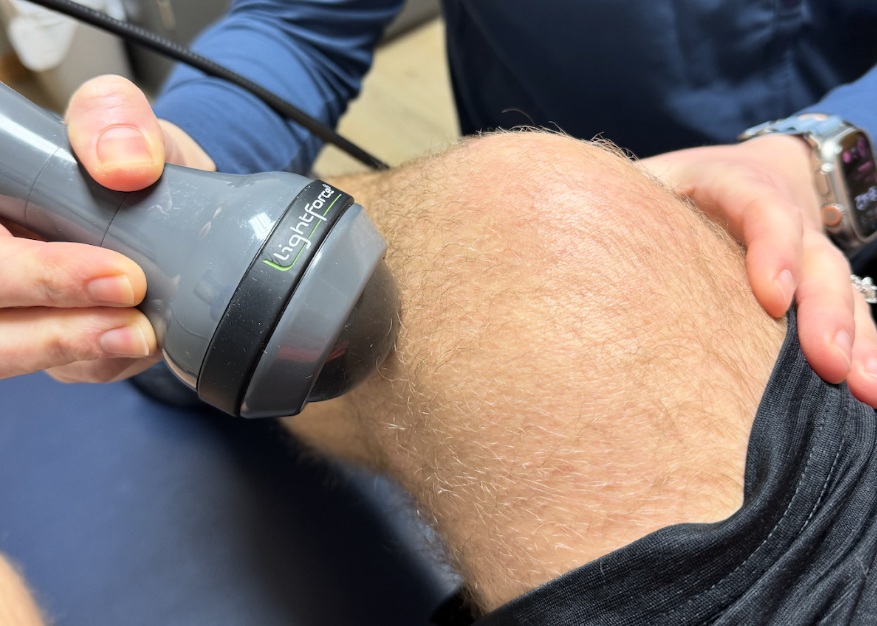
New at New Life PT: A Faster Way to Get Out of Pain & Back to Movement
January 20, 2026

If It Hurts to Move, Why Wait?
January 31, 2023
Choose your E-book