June 23, 2026
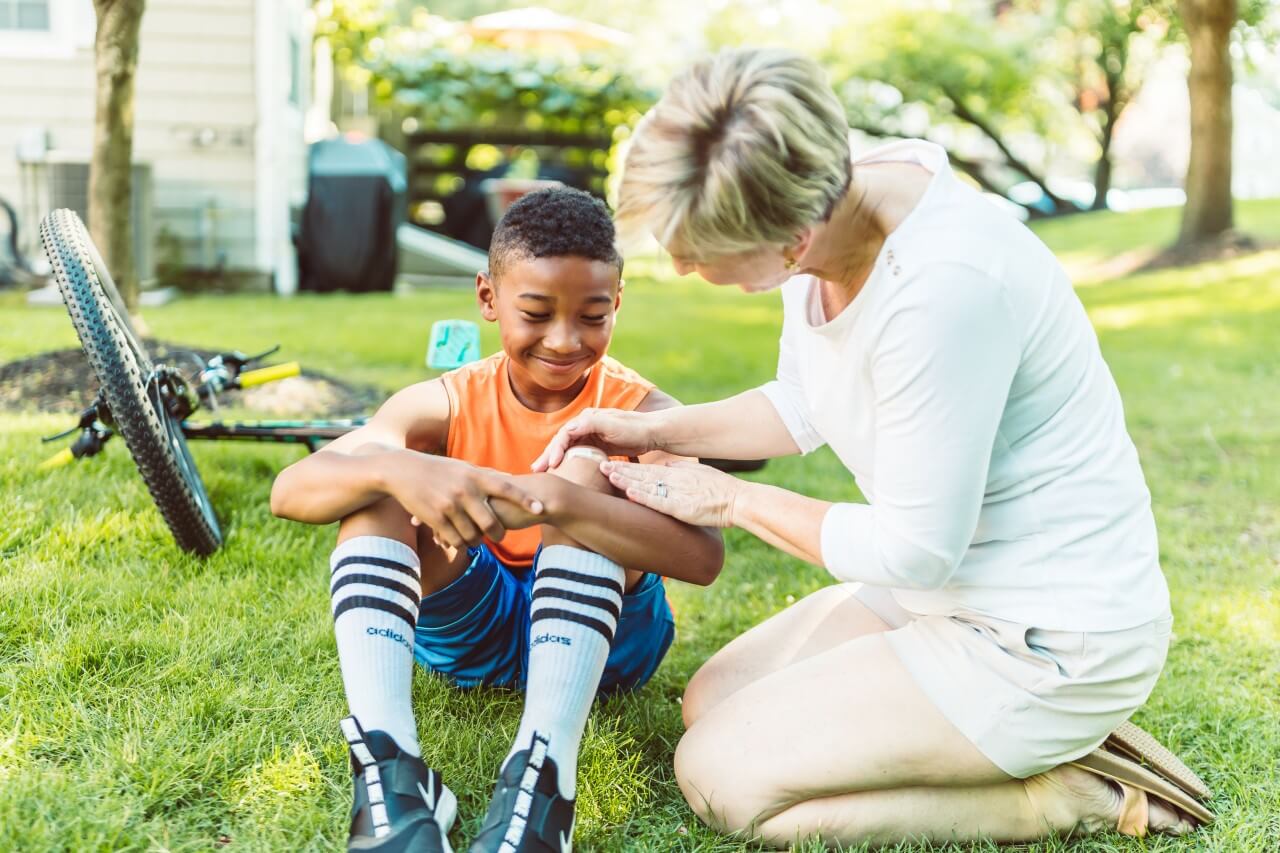
For years, most people were taught to follow the RICE method (Rest, Ice, Compression, Elevation) after an injury. While some aspects of RICE remain helpful, our understanding of how the body heals has evolved.
Today, many healthcare professionals recommend a more modern approach called PEACE & LOVE. This framework helps support your body’s natural healing process while encouraging an active, confident recovery.
When an injury first occurs, the goal is to protect the area while allowing the body’s healing response to begin.
In the first few days after injury, avoid activities or movements that significantly increase pain. This does not mean complete rest, but rather temporarily modifying activities to prevent further tissue damage.
If swelling is present, elevate the injured limb above the level of your heart whenever practical. This may help reduce excessive swelling and discomfort.
Inflammation is a normal and necessary part of healing. While anti-inflammatory medications may temporarily reduce pain, they may also interfere with the body’s natural repair process. Talk with your healthcare provider about the best pain management strategy for your situation.
Gentle compression using an ace wrap, sleeve, or brace may help manage swelling and provide support during the early stages of recovery.
One of the most powerful tools in recovery is understanding that the body is designed to heal. Most injuries improve with time and appropriate management. If symptoms are worsening or not improving as expected, seek professional guidance.
As symptoms begin to settle, the focus shifts toward restoring function and building resilience.
Movement is medicine. Gradually reintroducing activity helps tissues adapt, strengthen, and heal. Pain can serve as a guide—some mild discomfort is often acceptable, but activities should not cause significant increases in symptoms.
Your mindset matters. Research consistently shows that positive expectations and confidence can influence recovery outcomes. Trust the process and focus on what you can do rather than what you cannot.
Pain-free cardiovascular exercise such as walking, cycling, or swimming can improve circulation, promote healing, and support overall recovery. Even small amounts of movement can send positive signals throughout the body.
As healing progresses, specific exercises help restore mobility, strength, balance, coordination, and confidence. The right exercise program can also reduce the risk of future injuries.
Many people are surprised to learn that ice is not emphasized in the PEACE & LOVE approach.
Ice can temporarily reduce pain and numb an injured area, which may be appropriate in some situations. However, it does not appear to speed healing and may potentially slow some aspects of the body’s natural inflammatory response.
If ice helps you manage pain and function better, it can still be used strategically, but it should not be viewed as the primary treatment for recovery.
Recovery is not about doing nothing—it’s about doing the right things at the right time.
PEACE & LOVE encourages a balanced approach that protects injured tissues early, then gradually restores movement, strength, and confidence. Most importantly, it recognizes that your body has an incredible ability to heal when given the proper support.
If you have questions about an injury or are not recovering as expected, our team at New Life Physical Therapy is here to help guide you every step of the way.
Featured Posts
“I’ve Fallen and I Can’t Get Up”: What’s Your Plan?
September 15, 2026

Opioid Dangers for Long Term Pain Management
October 11, 2022

Bladder Retraining Urge Suppression Techniques
March 31, 2022

Natural Option for Neck Arthritis
March 24, 2022
Choose your E-book