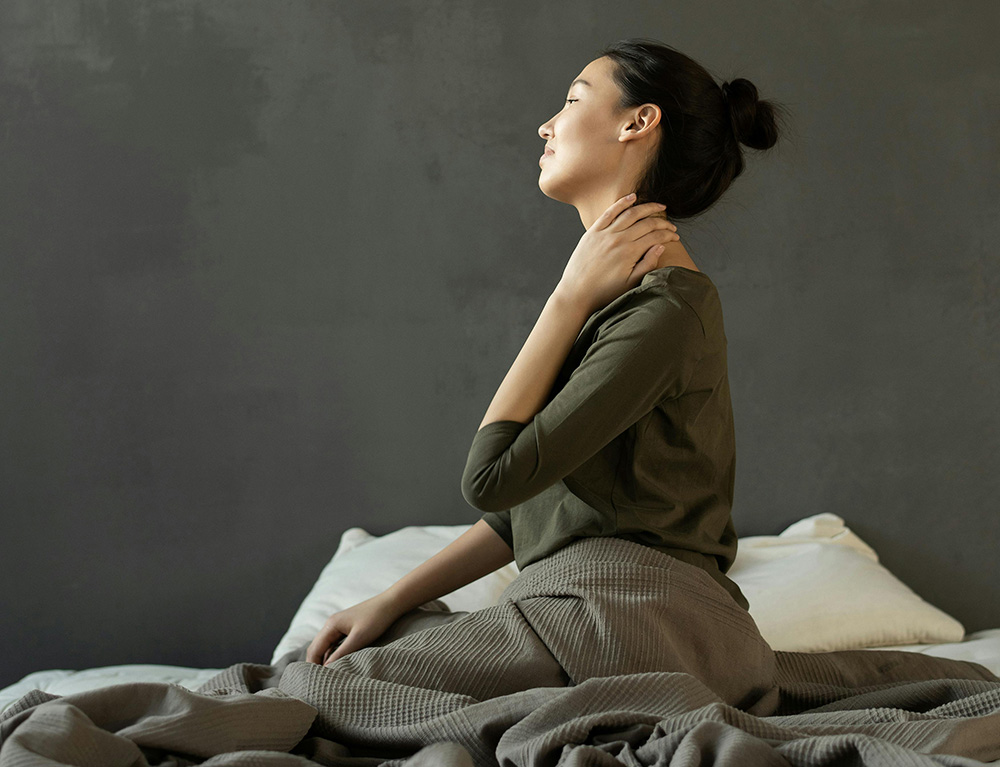
When a Great Day Leaves You Feeling It (And What To Do About It)

April 23, 2026

Maybe it’s a weekend trip, a family graduation, a day at the fair, or walking miles through a new city—those special days that break from our normal routine often end up being some of the most meaningful. But they can also leave your body saying, “Hey… what was that?!”

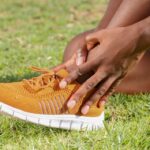
When we ask our bodies to do things they aren’t used to—standing for long stretches, walking more than usual, navigating uneven ground, carrying kids or bags, or even sitting for extended periods—our muscles, joints, and connective tissues are exposed to new stresses. That often leads to soreness, stiffness, or fatigue later that day or the next morning.

The good news? This type of soreness is often a normal response—and with a little awareness, you can minimize how much it slows you down.

How to Take Care of Your Body During (and After) These Big Days

  1. Mix it up with micro-breaks
    Your body thrives on variety. If you’ve been standing or walking, find a chance to sit for a few minutes. If you’ve been sitting (long car ride, event seating), get up, walk, and reset your posture. Even 2–3 minutes can make a difference.
  2. Move in the opposite direction
    Counteracting positions helps reduce stiffness:

    • Bend forward and let your arms hang to stretch your back and hamstrings
    • Gently lean backward after prolonged sitting
    • Stretch your calves after long walking days
    • Open up your hips with a quick lunge or hip flexor stretch
    • Rotate your upper back to avoid that “locked up” feeling
  1. Stay hydrated
    Muscles that are well-hydrated perform and recover better. Long days—especially outdoors—can sneakily dehydrate you, increasing fatigue and soreness.
  2. Be mindful of surfaces and footwear
    Walking on grass, gravel, hills, or hard concrete challenges your body differently than your normal routine. Supportive footwear and simply being aware of these changes can help you pace yourself.
  3. Prioritize recovery that night
    A good night’s sleep is one of the most powerful recovery tools you have. This is when your body repairs and resets.
  4. Keep moving the next day (don’t shut it down)
    It’s tempting to sit and do nothing when you’re sore—but light movement actually helps your body recover faster. Go for a walk, do some gentle stretching, or keep things active without overdoing it.
  5. Use heat if needed
    Heat can be helpful for easing muscle tightness and stiffness in specific sore areas. Think of it as a way to relax tissues and promote blood flow.

What’s Normal… and What’s Not

A little soreness for a day or two—especially after doing more than you’re used to—is completely normal. It’s often just your body adapting to a new demand.

But pay attention if you notice:

  • Sharp or catching pain with movement
  • Pain that worsens instead of improves
  • Soreness that lingers beyond 48 hours without easing
  • Pain that limits your ability to move or function normally

That’s your body asking for a little more help.

The Bottom Line

We want you saying yes to the trips, the events, the long walks, and the meaningful moments—without worrying about how your body will respond afterward.

If something doesn’t feel right, don’t wait and wonder.

Reach out to your New Life Physical Therapy team

We’re here to help you recover quickly, move better, and keep doing the things you love—without missing a beat.