July 15, 2026
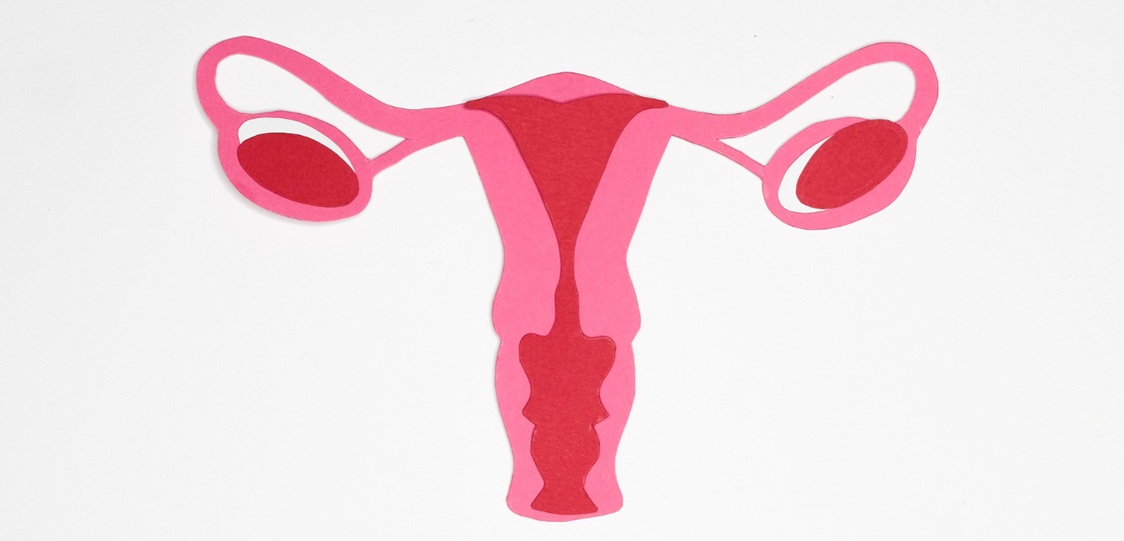
If you’ve been living with persistent pelvic pain, painful periods, heavy menstrual bleeding, or discomfort with everyday activities, you’re not alone. Two common but often misunderstood conditions—endometriosis and adenomyosis—affect millions of women and can have a significant impact on quality of life.
Endometriosis occurs when tissue similar to the lining of the uterus grows outside the uterus, commonly on the ovaries, fallopian tubes, or other structures within the pelvis. This can lead to chronic pelvic pain, painful menstrual cycles, pain with intercourse, bowel or bladder symptoms, and sometimes fertility challenges.
Adenomyosis occurs when this same type of tissue grows into the muscular wall of the uterus. This can cause an enlarged uterus, heavy or prolonged menstrual bleeding, severe cramping, and chronic pelvic discomfort.
While these conditions should be medically managed in partnership with your physician or gynecologist—through options such as medication, hormone therapy, or surgical intervention when appropriate—nutrition, healthy lifestyle habits, and pelvic floor physical therapy can play an important role in helping manage symptoms and improving overall well-being.
Because both endometriosis and adenomyosis are associated with inflammation, making thoughtful food choices may help reduce symptom severity.
Choose foods that naturally help calm inflammation, including:
Highly processed foods, sugary beverages, and fast food may contribute to increased inflammation. Limiting these foods may help reduce flare-ups for some individuals.
Some women notice symptom improvement after reducing dairy or gluten. While these changes aren’t necessary for everyone, it may be worth discussing an elimination trial with your healthcare provider or registered dietitian if you suspect certain foods worsen your symptoms.
Because endometriosis is hormone-dependent, foods that support healthy estrogen metabolism may be beneficial.
Consider adding:
Ask your healthcare provider whether supplementation may be appropriate. Nutrients commonly discussed include:
Adequate hydration supports digestion, circulation, and may help reduce bloating. A simple goal is to drink approximately half your body weight (in pounds) in ounces of water each day. For example, a 200-pound individual should aim for about 100 ounces daily.
Chronic stress can amplify pain and increase symptom severity.
Healthy habits such as:
can all help support your body’s ability to manage chronic inflammation and pain.
Many women with endometriosis or adenomyosis develop tight, overactive pelvic floor muscles as the body responds to ongoing pain. Over time, these muscle changes can contribute to:
Pelvic floor physical therapy addresses these underlying movement and muscle impairments through individualized treatment that may include:
The goal is not only to reduce pain, but also to restore function so you can return to the activities that matter most.
If heavy periods, chronic pelvic pain, painful intercourse, or bladder or bowel symptoms are affecting your daily life, help is available.
Our Women’s Health Physical Therapy specialists at New Life Physical Therapy provide compassionate, one-on-one care designed to address the root causes of pelvic pain and help you regain confidence in your body.
Call New Life Physical Therapy today to schedule an evaluation with one of our Women’s Health specialists and learn how pelvic floor physical therapy can become an important part of your care team.
Featured Posts

Budget-Friendly Ways to Get More Veggies on Your Plate
October 29, 2022

Sleep Tips to Help You Fall and Stay Asleep
July 22, 2022

RICE is Nice, But Movement is Medicine: How to Handle Acute Injuries with Ice, Heat, and Movement
July 30, 2024

Social Connectedness vs. Social Media: How’s your Emotional Health?
June 14, 2022
Choose your E-book