February 4, 2026
By Dr. Mary Rose Strickland – Certified Lifestyle Medicine Professional
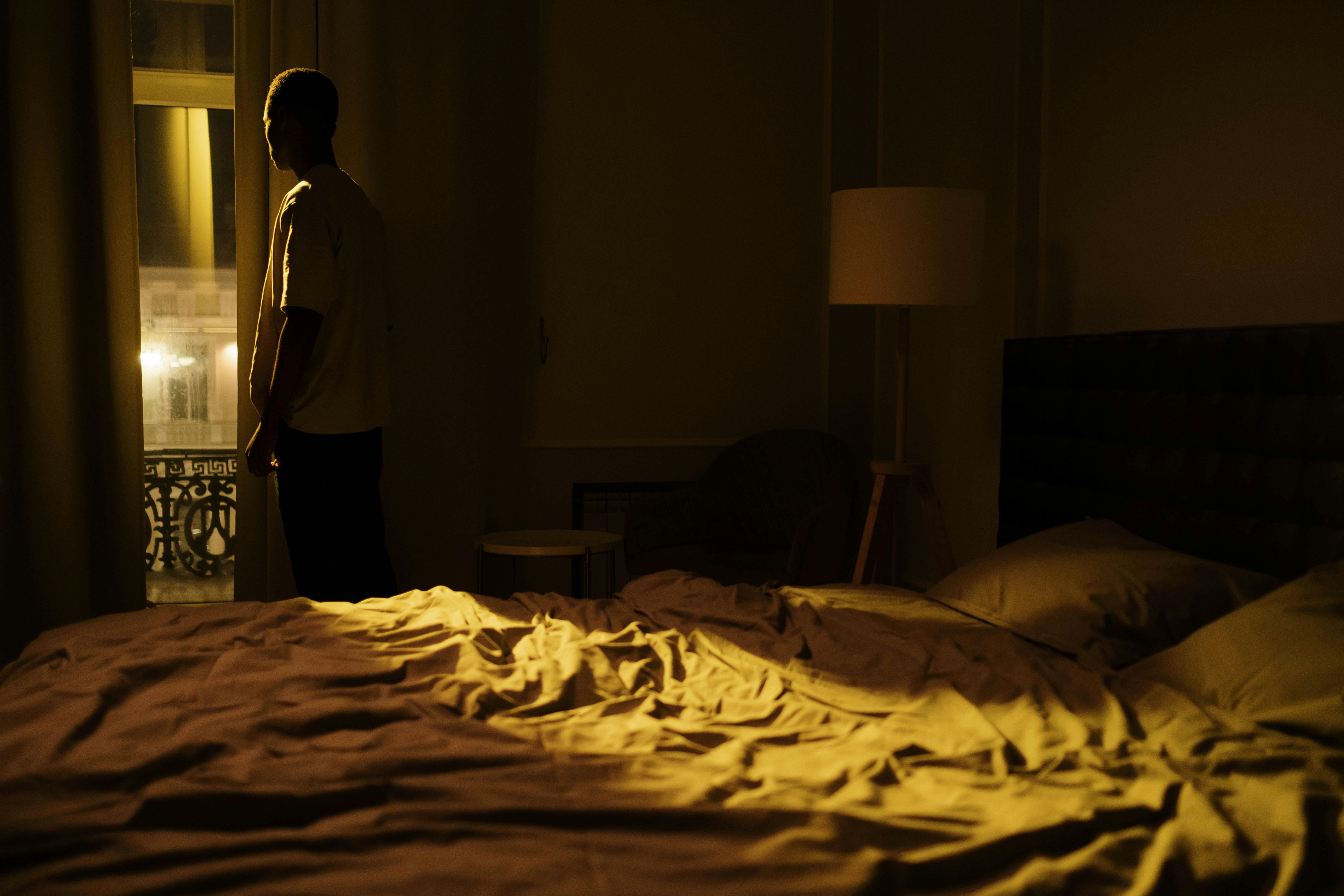
If you’ve ever had a night where you barely slept — or your sleep was constantly interrupted — you know the feeling the next day:
And for many people, this isn’t just an occasional event.
Recently, I read a post from Respond Wellness that was written with first responders in mind — especially those on shift getting interrupted sleep with EMS/Fire calls.
But what they shared applies far beyond first responder life.
This same problem affects:
So let’s talk about what to do after a rough night — not to “erase it,” but to recover as quickly and intelligently as possible.
This is the trap.
After a bad night, your instinct might be:
“I need to sleep all day to make up for it.”
But for most people:
Respond Wellness said it best: recovery isn’t about catching up all at once — it’s about resetting your nervous system and rhythm.
One rough night doesn’t ruin you.
But how you respond to it can either create recovery… or create a snowball effect.
If you had a brutal night, a controlled nap can be a game changer.
Ideal nap length:
This helps you get meaningful physical and mental restoration without “shutting down” your entire day.
The goal is:
✅ recovery not
❌ escape
(Shorter naps can help too, but for true recovery after sleep loss, longer naps can be more impactful.)
This matters more than most people realize.
Light exposure (especially daylight in the morning) is one of the strongest signals to your brain for setting your circadian rhythm — your internal sleep-wake clock.
So after poor sleep:
✅ get outside
✅ get natural light
✅ even 10–20 minutes helps
This is your body’s way of hearing:
“It’s daytime. We are awake. We move forward.”
And this helps prevent your system from staying stuck in that “off-cycle” fog all day
This is the part that feels counterintuitive when you’re tired… but it works.
When sleep is interrupted, your body is often loaded with stress hormones and sympathetic nervous system activation (“fight or flight”).
Movement helps:
What kind of movement?
Nothing heroic. Keep it simple:
Just don’t do the “couch all day” option if your goal is to get your rhythm back fast.
Here’s where you win the next 24 hours.
The goal is NOT to force sleep. The goal is to create the conditions for sleep to happen naturally.
Interrupted sleep throws off appetite signals and blood sugar regulation.
So aim for:
✅ earlier dinner
✅ simple foods
✅ protein + carbs
This is a big one.
After poor sleep we want caffeine — but too much, too late can steal the next night.
So:
Alcohol can:
If your goal is true recovery — alcohol is not your friend.
Scrolling at night is like pouring gasoline on an overstimulated brain.
Even if the room is dark, your nervous system is still being fed:
Trade the scroll for a true wind-down.
You don’t need a perfect routine — you need a consistent cue.
Helpful options:
Think:
quiet body, quiet mind, quiet nervous system
This is key.
Going to bed a little earlier than normal is great.
But going to bed hours earlier often backfires:
So aim for:
✅ slightly earlier
✅ consistent wake time
✅ let sleep come naturally
Interrupted sleep happens.
It doesn’t mean you’re failing. It doesn’t mean your body is broken.
But it does mean you need a plan.
The biggest goal after one rough night:
✅ recover quickly
✅ reset your rhythm
✅ avoid turning one bad night into a week of bad sleep
That’s the win.
Featured Posts

Pelvic Organ Prolapse
June 2, 2024

The Truth About Water, and How Much You Should Be Drinking
July 28, 2022

Stay Connected with the New Life Physical Therapy App and Remote Therapeutic Monitoring
October 15, 2024

Take Steps to Lower the Risk of ACL Injury this Sports Season
September 11, 2022
Choose your E-book