October 29, 2026
Pregnancy is an incredible journey, but it also places significant demands on your body—especially your abdominal wall. One of the most common changes that occurs during and after pregnancy is Diastasis Recti Abdominis (DRA), often simply called diastasis recti.
The good news? It’s common, treatable, and with the right guidance, many women can restore their core strength and return to the activities they love.
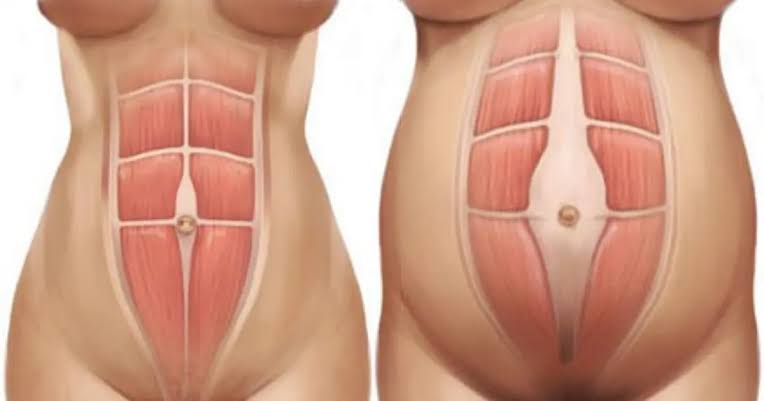
Your “six-pack” muscle (the rectus abdominis) is divided into right and left halves by a band of connective tissue called the linea alba. As your baby grows, this connective tissue naturally stretches to make room for your expanding uterus.
After delivery, the tissue typically begins to tighten and heal. However, if it becomes overly stretched and loses some of its elasticity, the muscles may remain separated. This separation is known as Diastasis Recti Abdominis.
In fact, nearly 60% of women experience some degree of diastasis recti after pregnancy, making it a very common postpartum condition.
Many women notice changes in the appearance or function of their abdomen after pregnancy. Common signs include:
While the separation itself usually isn’t painful, the loss of core support can contribute to many of these symptoms.
A simple self-screen can provide a general idea.
Lie on your back with your knees bent and feet flat on the floor. Gently lift your head and shoulders while placing your fingertips across the midline of your abdomen near your belly button. If you can feel a gap larger than approximately two finger widths after pregnancy, you may have a diastasis recti.
While this can be a helpful screening tool, it doesn’t tell the whole story. The quality and tension of the connective tissue are often just as important as the width of the separation, which is why a professional assessment is valuable.
Several factors may increase the likelihood of developing a more significant separation, including:
Remember, developing a DRA is not your fault—many of these factors are completely outside your control.
Don’t panic. A diastasis recti does not automatically mean you’ll need surgery or that you’ll always have a weak core.
The best first step is being evaluated by your physician or a pelvic health physical therapist. An individualized assessment helps determine:
Treatment focuses on restoring your body’s natural support system by improving activation of the deep core muscles, including the transverse abdominis, diaphragm, and pelvic floor.
Early rehabilitation often begins with:
As your strength improves, you’ll gradually progress to more challenging core and full-body exercises.
During recovery, a few simple habits can make a big difference:
Some women may temporarily benefit from an abdominal binder shortly after delivery for additional support. However, these should be viewed as a short-term tool—not a long-term solution. Building your own muscular support is the ultimate goal.
Some degree of abdominal separation is a normal part of pregnancy and cannot always be prevented. However, you can help support your body by:
For women who continue to experience significant symptoms despite dedicated rehabilitation—or who remain concerned about the appearance of their abdomen—abdominoplasty (tummy tuck) may be an option.
Surgery is generally recommended only after you’ve completed your family and have spent time rebuilding your core strength through conservative treatment. Discuss the risks, benefits, and recovery expectations with your physician to determine whether it’s appropriate for you.
Diastasis recti is incredibly common, but it’s also one of the most misunderstood postpartum conditions. You don’t have to simply “live with it.”
At New Life Physical Therapy, our Women’s Health and Pelvic Floor specialists provide individualized evaluations and evidence-based treatment to help restore your core strength, improve pelvic floor function, reduce pain, and get you back to confidently caring for your family and enjoying the activities you love.
If you’ve noticed abdominal separation, persistent “mom pooch,” leaking, back pain, or core weakness after pregnancy, call New Life Physical Therapy today to schedule an evaluation. Early treatment can make a significant difference, and we’re here to help every step of the way.
Featured Posts

The Real Culprit Behind Your Back Pain
October 17, 2023

The Importance of Balance – Insights from a Physical Therapist
August 20, 2023

Macronutrients: Part 2 – Protein
February 17, 2023

What is “Normal” Muscle Soreness
April 3, 2023
Choose your E-book