
August 13, 2026
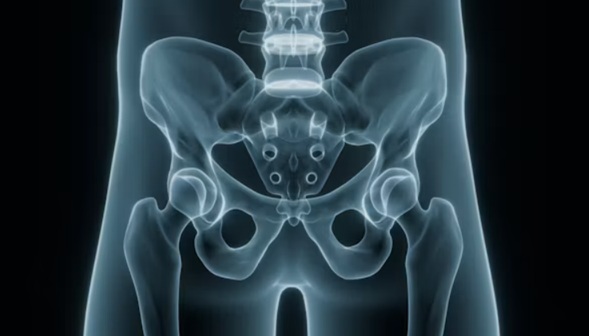
When people hear the words pelvic floor physical therapy, they often assume it’s only for women. In reality, men have pelvic floor muscles too, and dysfunction in these muscles can contribute to a wide variety of symptoms that affect daily life, exercise, bladder and bowel function, and sexual health.
The good news? Many of these conditions can be successfully treated with specialized physical therapy.
The pelvic floor is a group of muscles, ligaments, and connective tissues that support the bladder, bowel, and reproductive organs. These muscles also play an important role in:
Like any other muscle group, the pelvic floor can become too weak, too tight, poorly coordinated, or painful, leading to a variety of symptoms.
Pelvic floor dysfunction can affect men of all ages—not just older adults.
Physical therapy may help with:
Many men live with these symptoms for months or even years, assuming they’re something they simply have to accept. In many cases, they are treatable.
Pelvic floor physical therapy is a conservative, evidence-based treatment designed to address the underlying cause of your symptoms.
Depending on your condition, your therapist may recommend:
Not every pelvic floor needs strengthening.
Some men benefit from improving muscle strength and coordination to reduce urinary leakage, particularly before or after prostate surgery. Others need to learn how to relax overactive pelvic floor muscles that contribute to pain or difficulty urinating.
Your therapist will determine what your body actually needs rather than assuming every problem requires more strengthening.
Muscle tightness, trigger points, scar tissue, and connective tissue restrictions can all contribute to pelvic pain and dysfunction.
Hands-on treatment, along with improving hip mobility and overall movement, can reduce pain and restore normal function.
Biofeedback uses specialized equipment to help you learn how to properly contract—or relax—your pelvic floor muscles.
Many men are surprised to learn they aren’t using these muscles the way they thought. Biofeedback provides real-time feedback that can improve muscle control and accelerate progress.
Small lifestyle changes can have a big impact.
Your therapist may provide guidance on:
You’ll also learn how your pelvic floor works together with your core, hips, diaphragm, and low back to support healthy movement.
For men dealing with chronic pelvic pain, treatment often focuses on calming an overactive nervous system and reducing muscle tension.
This may include:
The goal is to reduce pain while helping you return to normal daily activities.
Many people don’t realize there is a strong relationship between cardiovascular health, pelvic floor function, and erectile function.
Improving overall fitness, circulation, endurance, and pelvic floor muscle coordination can be an important part of a comprehensive treatment plan. While physical therapy isn’t the answer for every cause of erectile dysfunction, it can be an effective piece of the puzzle for many men.
If you’re planning to undergo prostate surgery, seeing a pelvic floor physical therapist before your procedure can make a significant difference.
Learning how to properly activate your pelvic floor muscles ahead of time often helps improve recovery and can reduce urinary incontinence after surgery. Think of it as preparing for surgery the same way you would train before a marathon—the stronger and more coordinated your body is beforehand, the better positioned you’ll be for recovery.
Pelvic health concerns are incredibly common, but many men hesitate to talk about them because they feel embarrassed or assume nothing can be done.
The truth is, these issues are medical conditions—not personal failures—and effective treatment is available.
At New Life Physical Therapy, our certified pelvic health specialists provide compassionate, confidential care for men experiencing pelvic floor dysfunction. Every evaluation and treatment plan is individualized to your symptoms, goals, and lifestyle.
Whether you’re dealing with pelvic pain, bladder issues, erectile dysfunction, or recovering from prostate surgery, we’re here to help.
If you’re experiencing symptoms that are affecting your quality of life, don’t wait. Call New Life Physical Therapy today to schedule a confidential evaluation and learn how pelvic floor physical therapy can help you move, feel, and live better.
Featured Posts

Diet Planning After Total Joint Replacement: Key Considerations for Recovery
February 14, 2025

Understanding Tendon Issues: Part 2 – Treatment
July 27, 2023

“I’ve Fallen and I Can’t Get Up”: What’s Your Plan?
September 15, 2026

Ice or Heat? What the Latest Research Says About Pain Relief and Recovery
June 9, 2025
Choose your E-book