August 4, 2026
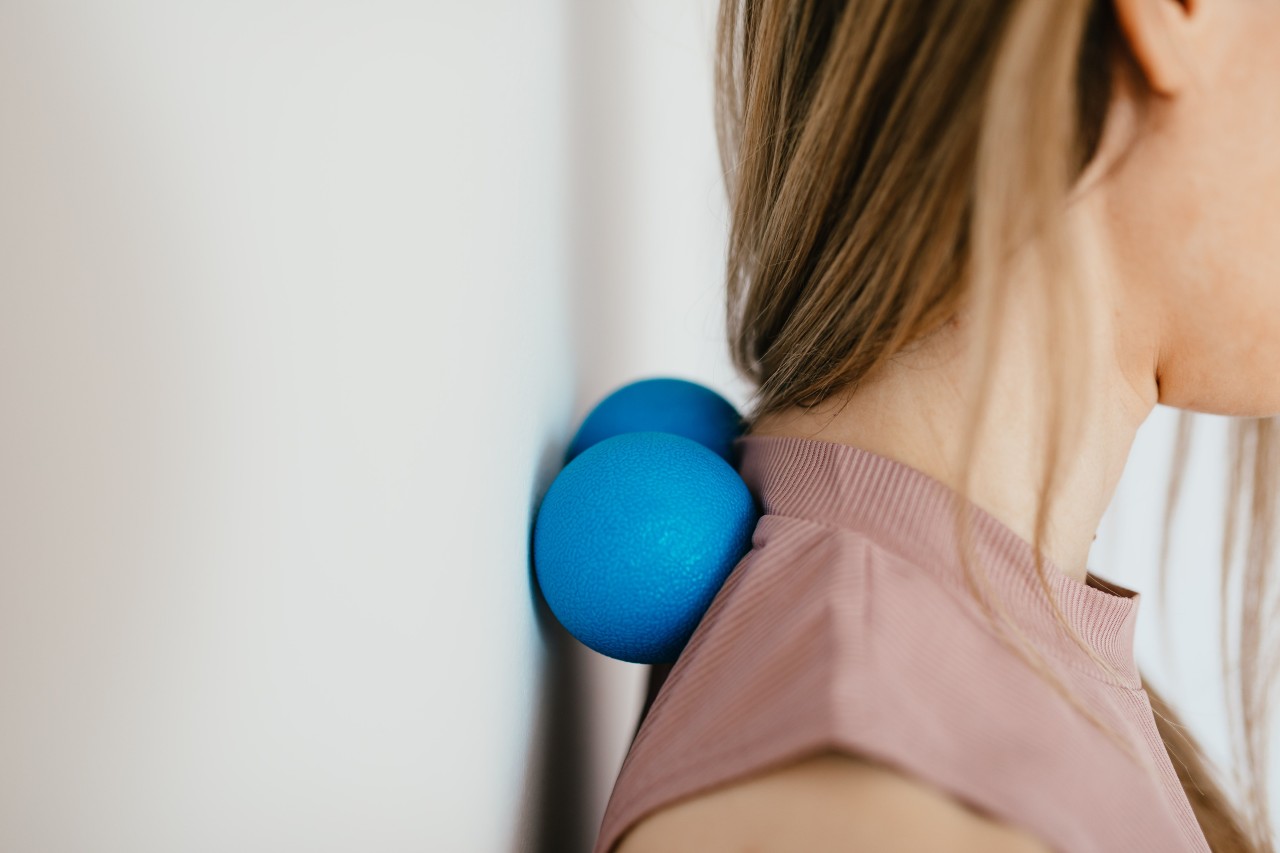
A standard lacrosse ball is one of the most effective and affordable tools for self-soft tissue mobilization (STM). By applying gentle pressure to tight muscles and trigger points, a lacrosse ball can help reduce muscle tension, improve mobility, and decrease discomfort in common problem areas such as the neck, upper back, shoulder, and gluteal region.
Position the ball between your shoulder and a wall. Slowly lean into the ball and move your body to locate tender or tight spots around the back of the shoulder blade and rotator cuff muscles.
Place the ball between the wall and the muscles along the side of the neck or upper shoulder. Avoid placing pressure directly on the spine or front of the neck. Use gentle pressure and slow movements.
Lie on the floor or lean against a wall with the ball positioned in the upper glute muscles. Slowly shift your weight to target areas of tension. This can be particularly helpful for people who sit for prolonged periods or experience hip tightness.
The sensation should feel like a “good hurt”—intense but tolerable. Avoid sharp, burning, numb, or radiating pain.
It is normal to experience:
The goal is not to “crush” the tissue. More pressure is not necessarily better. Consistent, moderate pressure tends to produce better results than aggressive treatment.
For most people:
Consistency is typically more beneficial than long, infrequent sessions.
For particularly tight muscles, consider applying heat before using the lacrosse ball:
After self-release, follow with gentle mobility exercises to reinforce the improved movement:
Think of the lacrosse ball as creating a temporary “window of opportunity” for movement. Following your release work with mobility exercises helps your body maintain those gains and move more comfortably throughout the day.
Avoid using a lacrosse ball:
When in doubt, consult your physical therapist for guidance.
Featured Posts

Achilles Tendon Issues in Pickleball Players: How to Stay Safe and Strong on the Court
October 2, 2024

Pelvic Organ Prolapse
June 2, 2024

Simple Steps To Get Fit
March 16, 2022
Lacrosse Ball Self-Release: A Simple Tool for Reducing Muscle Tension
August 4, 2026
Choose your E-book