February 4, 2026
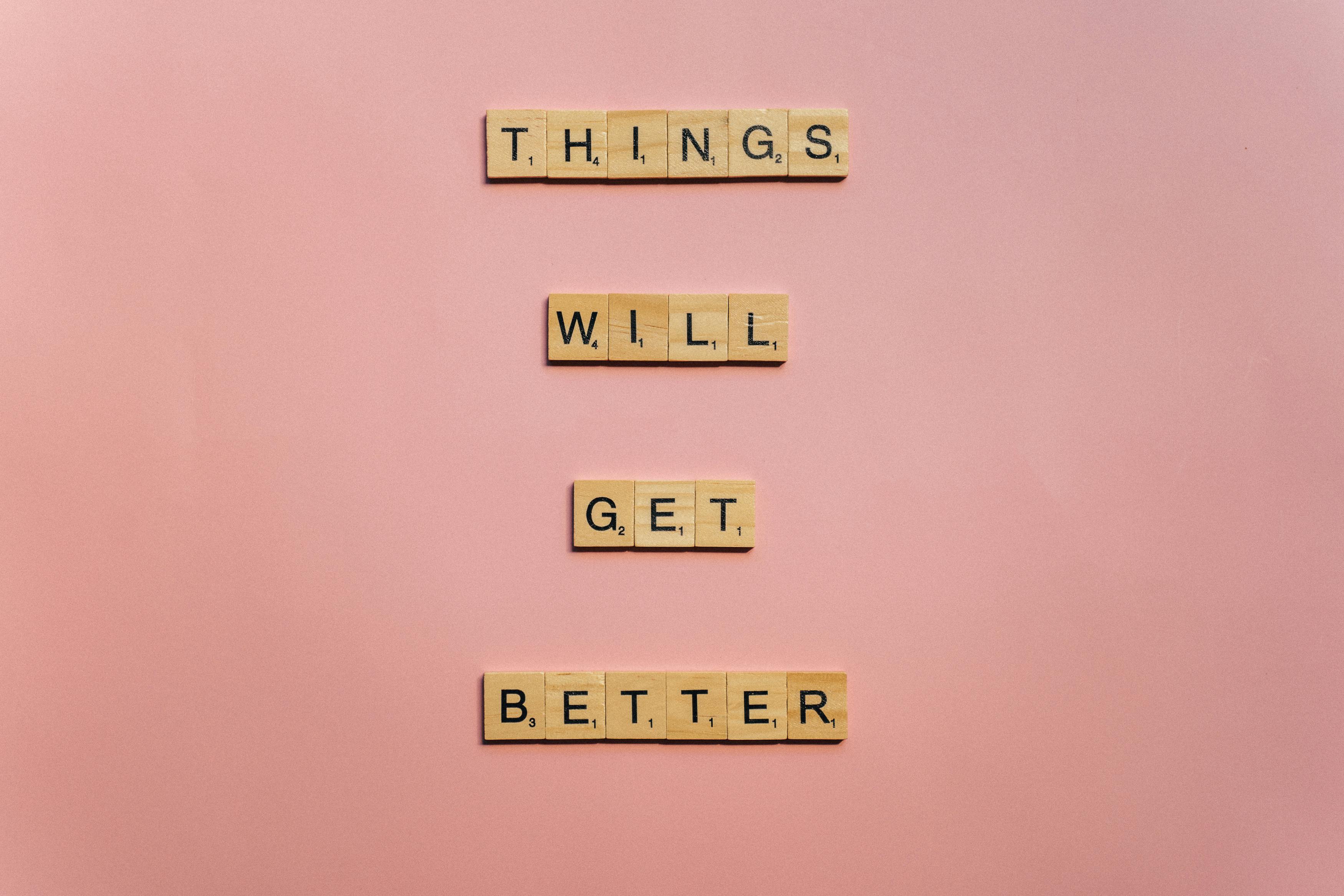
If you’re frustrated because your pain just won’t go away, you’re not alone.
This is one of the most common things we hear:
“I thought it would be better by now.”
And often, people feel discouraged because they’ve already tried a lot:
So why isn’t it improving?
Here are the three biggest reasons we see
We live in a culture that expects fast results.
But the human body runs on biology — not deadlines.
Here’s the truth:
Most musculoskeletal injuries take longer to heal than most people expect.
Even when you’re “doing all the right things,” healing still happens in phases:
So if you’ve had pain for:
Why this matters
If you expect recovery in 7–10 days when the tissue needs 6–8 weeks, you’ll feel like something is wrong — even when healing is still happening normally.
At New Life PT, we help set realistic expectations:
✅ what should be improving by now
✅ what’s normal
✅ what needs attention
✅ what timeline matches your injury
Because peace of mind is part of the healing process too.
This is one of the biggest traps of musculoskeletal pain.
Your pain may show up in one area — but it’s often a result of compensation, faulty mechanics, or overload from somewhere else.
That’s why you can:
…and feel a little better…
But then it returns.
Because the reason it started is still present.
Common examples:
The result:
You keep chasing symptoms. And your body keeps repeating the same stress pattern.
At New Life PT, we specialize in identifying:
✅ your movement patterns
✅ biomechanics and walking/running mechanics
✅ strength deficits and compensation
✅ mobility restrictions
✅ training/work volume issues
✅ the true “driver” of the pain
When we fix the driver, the symptoms finally have the chance to resolve
This part surprises people — but it’s massive.
Even if we do everything right biomechanically…
your body still needs the proper internal environment to heal well.
Think of healing like building a house:
If the materials are poor, the house takes longer to build – and it likely won’t last as long.
3 lifestyle factors that matter more than most people think:
1) Sleep
Sleep is when your body:
If sleep is broken, shortened, or inconsistent, healing slows down.
✅ Target: 7–9 hours/night, as consistently as possible.
2) Hydration
Hydration impacts:
Even mild dehydration makes tissues more irritable and less resilient.
✅ Simple goal: clear/light yellow urine most of the day.
3) Nutrition
Healing requires raw materials:
With more emphasis on whole-food diets, some are eating better overall, but under-eat protein or don’t fuel consistently during busy seasons.
✅ Rule of thumb: include a protein source at every meal. Track your protein to know where you are at so you can have a conversation with your lifestyle provider on whether or not it is enough.
Sometimes the issue isn’t just time — it’s that the body needs a boost to get cellular repair going again.
That’s where Class 4 high-powered laser therapy can be a game changer.
At New Life PT, our Class 4 laser helps “supercharge” healing by
One of the coolest things laser does is support the mitochondria — the “energy factories” of your cells.
In plain language:
✅ more cellular energy = better repair capacity
So when used strategically (alongside movement + strengthening), laser can help your body:
It’s not a magic wand — but it’s an incredibly effective adjunct when paired with the right plan.
At New Life PT, we don’t just tell people to stretch and “give it time.”
We look at the whole system:
✅ tissue healing stage + realistic timelines
✅ biomechanics + root cause
✅ lifestyle factors that either support or block healing
✅ recovery strategies that fit real life
✅ advanced tools like Class 4 laser when appropriate
And most importantly: we help you build a plan that restores confidence and momentum — so you can stop being stuck in “injury limbo.”
If you aren’t getting better yet, that doesn’t mean you’re doomed.
It usually means one (or more) of these is true:
And the good news?
These are all things we can identify and fix.
At New Life Physical Therapy, we help you get back on a path to succeeding in life’s important things — without constantly wondering what you should do next.
Featured Posts

Take Steps to Lower the Risk of ACL Injury this Sports Season
September 11, 2022

Is a Joint Injection the Right Choice for You?
January 26, 2023

Discover the Best Kept Secret in Healthcare
January 21, 2025

Tips on Managing Stress
July 5, 2022
Choose your E-book